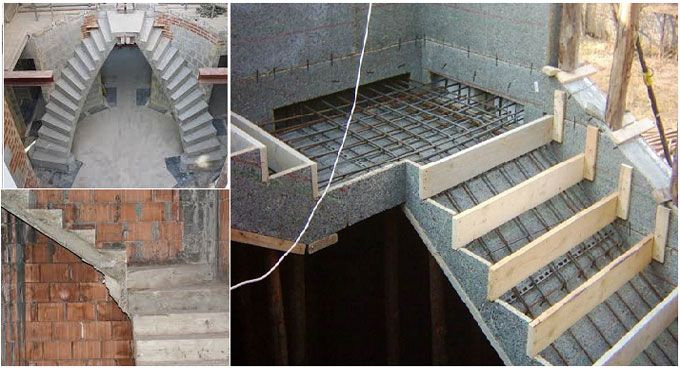

Designing a Formwork for Concrete Stairs
Without having proper formwork, the concrete stairs do not have the proper shape, thus, the concrete stairs can be unstable or unsafe. The formwork of the concrete stairs helps to ensure that the curing process of the concrete stairs is done properly, thus, there is less risk of cracks or other types of structural issues in the concrete stairs.
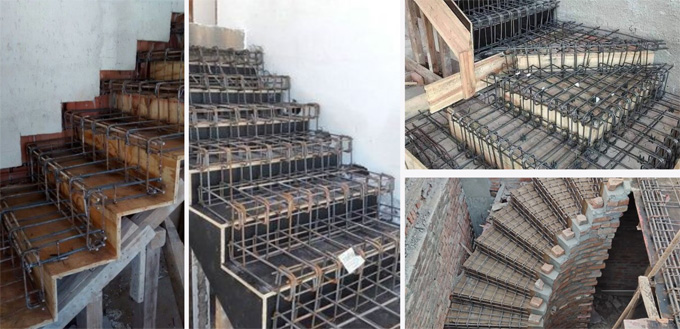
The formwork for the concrete stairs has the ability to bear the entire concrete stair’s weight and also has the flexibility to be removed after completing the curing procedure. In addition, the formwork for the concrete stairs helps to provide a smooth finish to the staircase.
Different types of formwork for concrete stairs
There are different types of formworks available for the concrete stairs, which have been classified on the basis of he design requirements and budgets.
Timber Formwork
These types of formwork for the concrete stairs consist of wooden boards and panels, which can be customised as per the design requirements for the concrete stairs. Compared with the installation procedure of other types of formworks for concrete stairs, the timber formwork is cost-effective.
Steel Formwork
The steel formwork for the concrete stairs can be reusable and provides long-term durability to the concrete stairs. In those construction projects which need more precision in the stair dimensions, the steel formwork can be used. The steel formwork for concrete stairs is less prone to wrapping, thus it can last for a long time. Compared to the timber formwork, the steel formwork installation procedure is more expensive, as it can not be used in the case of smaller and limited budget projects.
Plastic Formwork
The installation and removal of the plastic formwork is easy as compared to other types of formwork because of its lightweight, thus providing a smoother finish to the concrete stairs.
Precast Formwork
The precast formwork has been used for those concrete stairs, while uniformity is required for designing the stairs. While using the precast formwork, it needs to be ensured that the precast formwork has been fitted into the stairs’ design accurately.
Procedures for constructing concrete stairs
For constructing the concrete stairs, several steps have to be followed, which are as follows:
➢ In the first step, the total height and width of the staircase need to be determined, which helps to ensure a comfortable and safe height for the concrete stairs.
➢ In the next step, a wooden or metal frame should be constructed to shape the concrete stairs. In this context, it should be ensured that the formwork has been aligned properly.
➢ In the next step, steel bars have been placed inside the formwork, which helps to strengthen the concrete and prevent cracking.
➢ After the reinforcement of the steel bars, the concrete mix has been prepared in the correct ratio and has been poured into the formwork.
➢ After pouring the concrete, a trowel and float have been used to smooth the concrete surface.
➢ After that, the proper curing process takes place for at least 7-10 days, which helps to increase the strength and durability of the concrete stairs.
➢ After the concrete stairs have been cured fully, the formwork has been removed carefully. After that, the polishing of the concrete stairs has been done, and non-slip coatings have been applied, which helps to ensure the safety of the concrete stairs and increases aesthetics.
Different types of concrete stairs
Different types of concrete stairs have been used, which have different functional needs and different architectural designs.
Straight Concrete Stairs
The straight concrete stairs are used in commercial spaces and residential buildings, which helps to provide a simple look. This type of concrete stairs is commonly used in residential buildings as it is easy to move between the floors through this type of concrete stairs.
Spiral Concrete Stairs
The spiral concrete stairs help to enhance the aesthetics of the building structure, which can be used in several houses, modern architectural designs and also in garden areas.
L-Shaped Concrete Stairs
The L-shaped concrete stairs have features 90-degree turn, which has been used in office buildings or houses. These types of concrete stairs help to save space in the building structure, as well as help to provide an elegant look.
U-Shaped Concrete Stairs
The U-shaped concrete stairs consist of two flights of stairs along with a landing. The U-shaped concrete stairs have been used in multi-storey building structures.
Floating Concrete Stairs
The floating concrete stairs help to provide an illusion of the floating shapes, which is more visually appealing and enhances the building’s aesthetics.
Helical Concrete Stairs
These types of concrete stairs refer to the spiral stairs along with more elegant curves, which have been seen in luxury houses and commercial spaces.
Cantilevered Concrete Stairs
The cantilever concrete stairs have been extended from the wall or spine, thus providing a modern effect to the building structure.
Effectiveness of constructing concrete stairs
Load-bearing capacity
There is less chance of bending or weakening in the concrete stairs as compared to the metal or wooden stairs. Thus, the concrete stairs can support the substantial weight of the building structure and last for years.
To learn more, watch the following video tutorial.
Video Source: Aperture Of Construction
Fire resistance capacity
The concrete stairs have more fire resistance capacity as compared to the wooden stairs.
Pet resistance capacity
The concrete stairs do not attract any pests, which helps to ensure a safe and long-lasting staircase.
Low maintenance requirement
After installing the concrete stairs, minimal maintenance is required for the concrete stairs as compared to the metal or wooden stairs.
Weather resistance capacity
The concrete stairs have the ability to resist harsh weather conditions, whereas the other types of stairs, including wooden stairs, can be warped or expanded because of the extreme weather conditions.