
The Significance of Stirrups in Construction
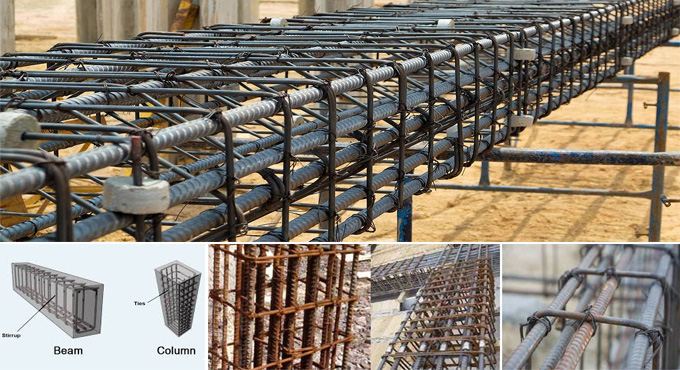
The stirrups are the closed-loop bars used in the construction project, which are made of high-strength steel bars, such as TMT bars. In the stirrups, the high-strength steel has been wrapped around the main longitudinal reinforcement in the columns, beams, or slabs. The stirrups in the reinforcement help to combat the shear forces and tensions and help to secure the main reinforcement bars in the construction structure.
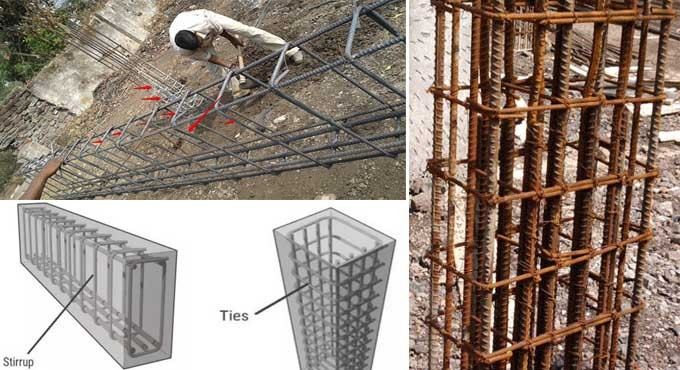
The stirrups help to add the shear strength of the concrete structure, which helps to prevent the formation of diagonal cracks and structural damage in the construction structure. The stirrups play an important role in ensuring the safety and serviceability of the entire construction structure.
There are two types of stirrups has been used in the reinforcement, which are closed stirrups and open stirrups. Both of these stirrups help to achieve the specific design goals of the construction structure. Among the closed stirrups and open stirrups, one type of stirrup has been used on the basis of the unique demands of the construction project. The closed stirrups appear as square or rectangular, which must confine the concrete. The closed stirrups have been appropriate for the high-stress uses, for example, bridges or skyscrapers. On the other hand, the open stirrups have appeared in the form of “U” or “C” shape, which helps to offer more flexibility to the construction structure. The open stirrups have been used in the construction of complex shapes.
Understanding the purpose of stirrups in the construction project
The stirrups have been used for different reasons in the construction project, which are:
1. The stirrups have been used in the construction structure to resist the lateral shear stresses in the reinforced concrete structure.
2. The stirrups have also been used in the construction structure to resist the diagonal tension stress in the reinforced concrete structure.
3. The stirrups are also used to prevent the buckling of comprehensive stress-bearing structures, for example, struts, columns or others.
4. The stirrups help to hold the rebars in the right position and help to prevent deformation.
5. The stirrups help to position the rods in the same alignment.
6. The stirrups are also used to enhance the ductility of the column.
7. The stirrups are used to keep the main reinforcement of the concrete from buckling.
8. The stirrups help to inhibit the movement of the primary reinforcement during the concreting process.
9. The stirrups also help to produce the longitudinal bars along with the lateral confinement, and also help to keep the longitudinal bars in place.
Learn about the working process of stirrups in reinforced concrete
Shear reinforcement
The stirrups in the concrete structure help to assist in the shear forces, thus the stirrups help to maintain the structural integrity, as well as avoiding the possible shear fracturing.
Main reinforcement holding
The stirrup helps to maintain the position of the longitudinal bars during the concrete pouring process. Thus, the stirrups help to keep the bars in alignment and spacing to ensure the desired structure.
Concrete confinement
With the help of the concrete columns, the stirrups help to maintain the encompassing shape, which helps to boost the concrete core shear force. The concrete core shear has also been boosted by the stirrups, which are critical during the dynamic loads and improve the load-bearing capacity.
Resist torsion
The stirrups also help to resist the torsional stresses in the columns and beams within the composite structural applications.
Discuss the different types of stirrups in reinforcement and their applications in the construction project
Single-Legged Stirrups
This type of stirrup is the lightest type of stirrup, which has been used in low-intensity construction works. The single-legged stirrups comprise one bar bent in a U-shape that has been tied to the primary reinforcement bars. These types of stirrups have been used in the building, which have lower shear stress.
Double-Legged Stirrups
The double-legged stirrups have been commonly used in construction structures, which helps to encase the primary reinforcement bar along with two bends, thus helping to provide better strength and stability to the construction structure. The double-legeed stirrups have been utilised for column or beam construction due to their excellent shear resistance ability. This type of stirrup has been used in both commercial and residential building structures.
Four-Legged Stirrups
The four-legged stirrups consist of four bends, which help to provide additional strength and resistance to the shear forces. In heavy construction projects, like bridges, flyovers or high-rise buildings, these types of stirrups have been used.
Six-Legged Stirrups
These types of stirrups help to hold a beam reinforced with eight bars. The six-legged stirrups help to provide a more secure foundation and help to add extra strength during the placement. The bars of the six-legged stirrups have been made with high-tensile steel, which helps to provide the internal framework required for bearing the heavy traffic and harsh weather.
Circular Stirrups
These types of stirrups have been designed for the circular or spiral columns that have been used in bridges, foundations, or cylindrical structures. These types of stirrups help to distribute the loads uniformly, thus helping to provide resistance to the axial and shear forces.
Helical Stirrups
The helical stirrups are similar to the circular stirrups, which basically encircle the main TMT bars in the form of a helix. The helical stirrups have been applied in the earthquake-resistant structures and add ultimate strength, flexibility and load-carrying capacity to the columns.
Torsion Stirrups
These types of stirrups have been designed to resist the torsion forces in the structural members. The torsion stirrups have been applied in those construction structures, which tend to have heavy torsional loads, for example, slabs or beams in industrial buildings.
To learn more, watch the following video tutorial.
Video Source: Civilex
Combined Stirrups
These types of stirrups are the hybrid versions of the stirrup designs, which have been applied in those construction structures that involve multiple forces. The combined stirrups have been applied in the structural designs of complex architectural designs.